Sajnekhali: Heart of the Sundarbans
Put away down at the convergence of the Matla and Gumdi gutters, Sajnekhali Wildlife Sanctuary spans roughly 362 km² and has served as a sacred corridor into the Sundarbans since its establishment in 1976. This sanctuary is a show of mangrove chaparrals, shimmering water channels, and winding creeks, making it a mesmerising shade of life.
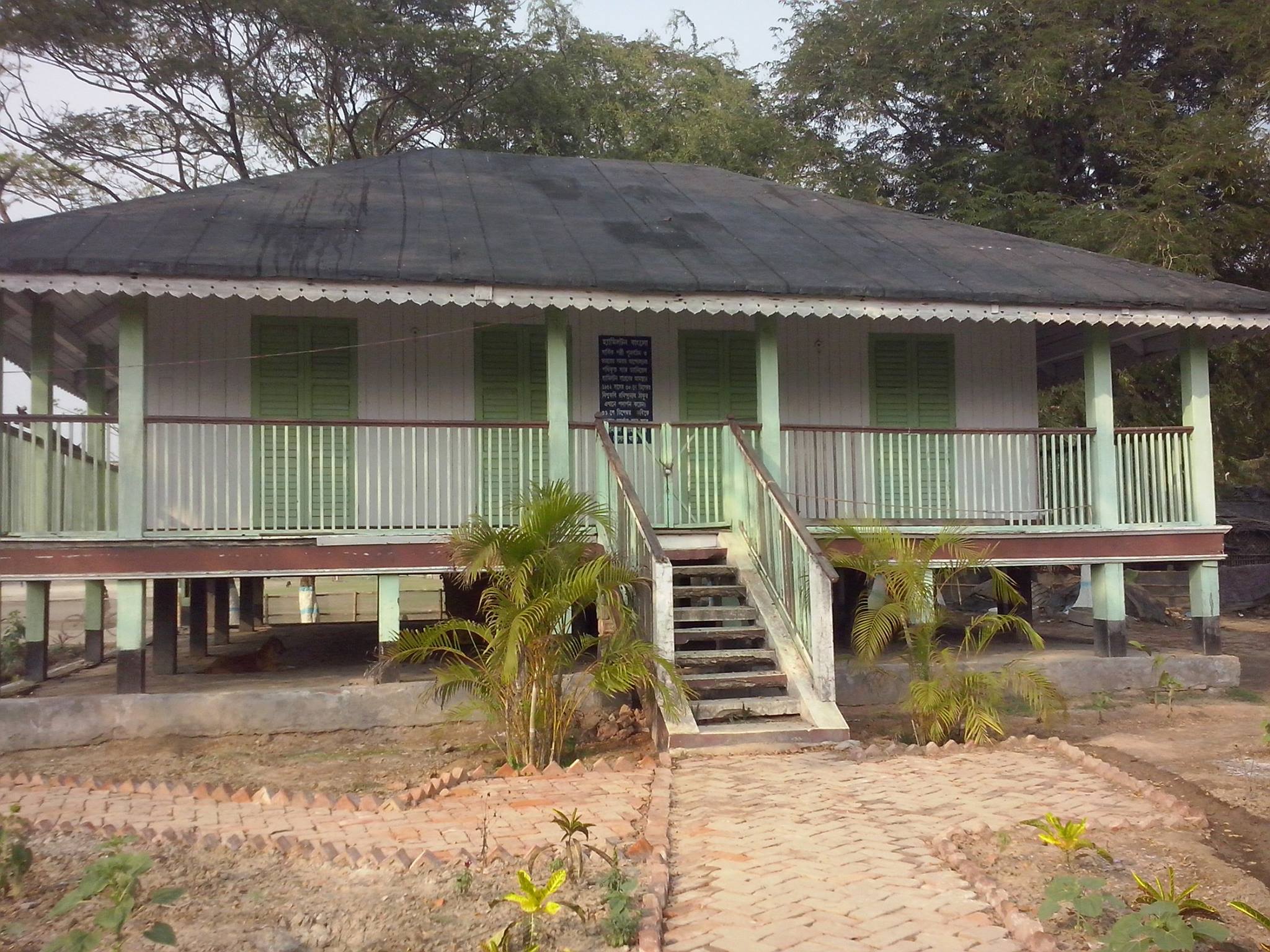
The Mangrove Interpretation Centre (also known as the Sajnekhali Museum) is the highlight of the complex — a courteously curated space that unravels the ecological prodigies of the mangrove ecosystem and emphasises the significance of its conservation. It’s where both locals and trippers can break, learn, and consolidate their bond with nature.
Location: Sajnekhali, Sundarbans, West Bengal, India
Within the Sajnekhali Complex
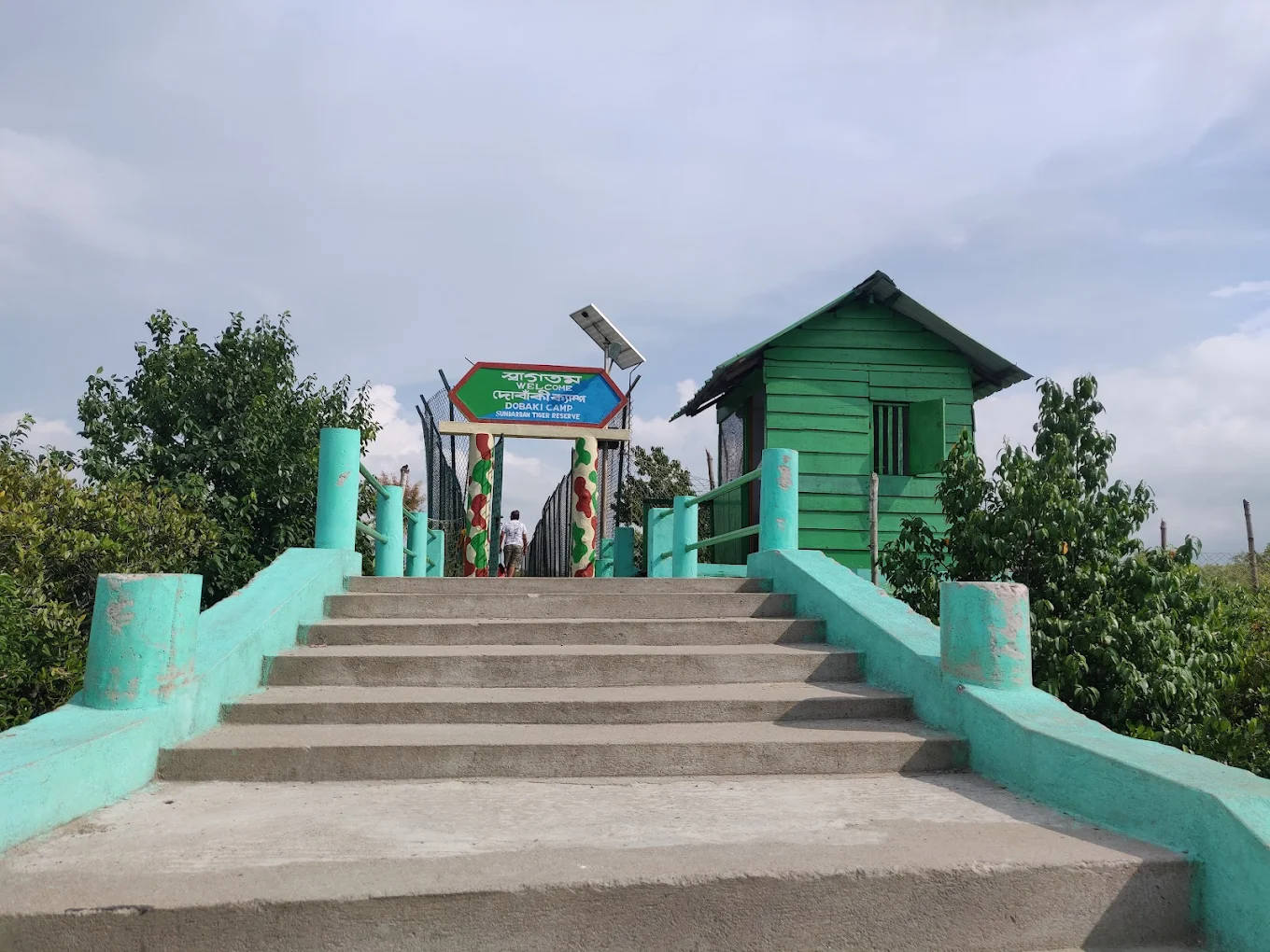
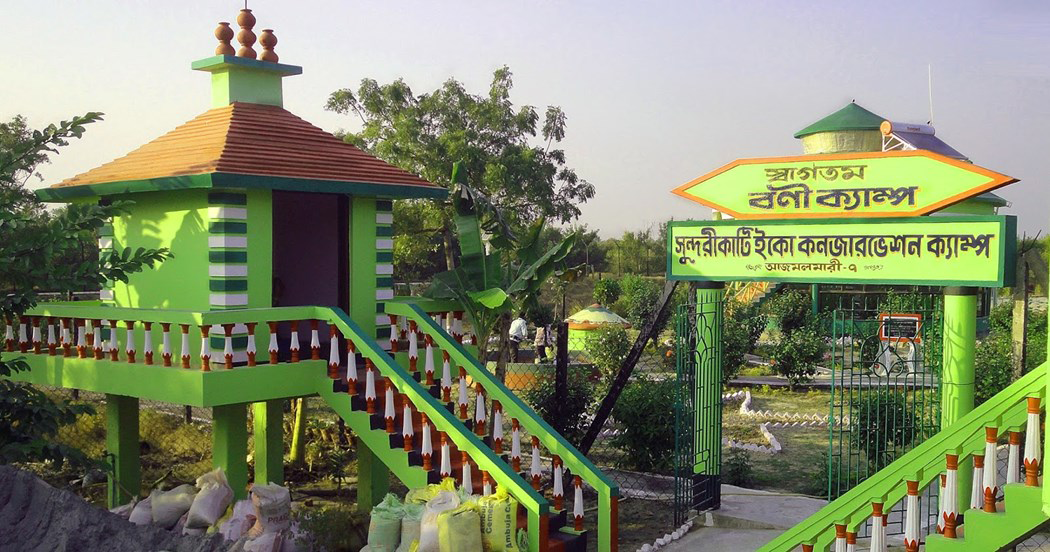
This vibrant mecca doesn’t just stop at the Interpretation Centre. It’s also the permit station for entering the Sundarbans Tiger Reserve. Nestled within are.
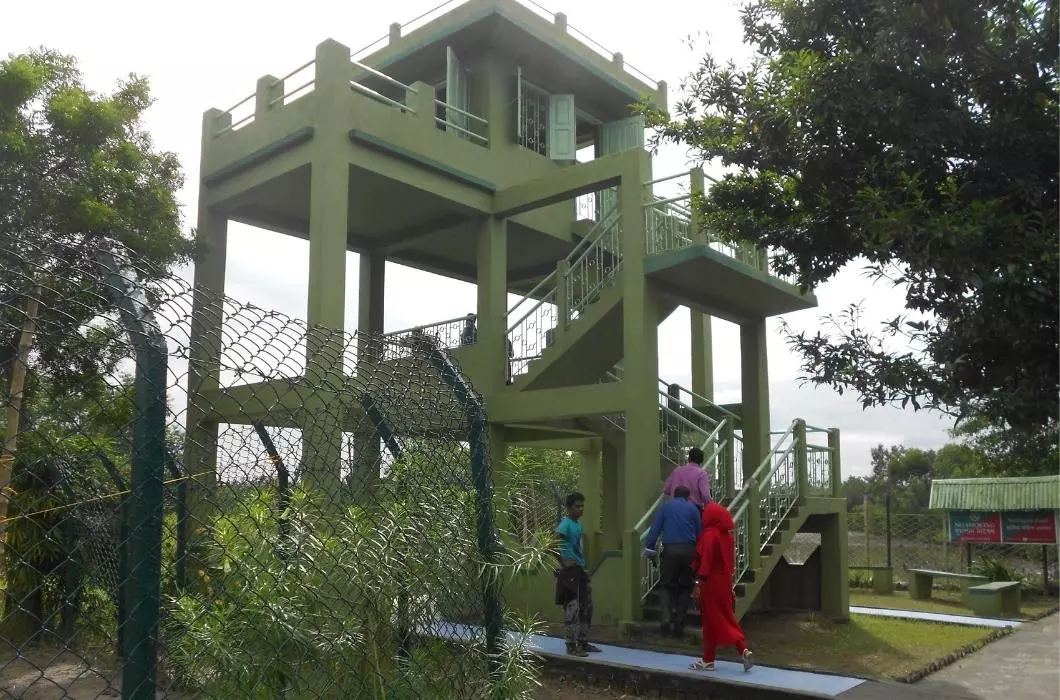
- Two watchtower immolation sweeping vistas on one side flows the swash; the other opens to the endless mangrove breadth, an edge point especially cherished by birdwatchers surveying for kingfishers, ocean eagles, sandpipers, lapwings, and more.
- A crocodile pond and turtle (Batagur) hatchery, where reptiles lounge and hatchlings grow in defensive enclosures — a window into vital conservation sweats.
- The Bono Bibi Temple, a quiet spiritual sanctuary reminding callers of original artistic traditions.
Wildlife & Ecosystems in Their rudiments
Sajnekhali is far further than a gateway; it’s a living, breathing ecosystem brimming with fascinating occupants
- Avian splendor Home to over 200 raspberry species, residents like the white-bellied sea eagle and migrant stars similar to the Asian dowitcher, spotted-billed pelican, sandpipers, kingfishers, whimbrels, lapwings, herons, and more.
- Mammals & reptiles From fugitive Royal Bengal Barracuda and fumbling pussycats to wild boars and rhesus macaques to the redoubtable saltwater crocodile — nature thrives then in every form.
- Retired treasures Shelter for brutes like the smooth-coated otter, water observers, fishing pussycats, otters, Olive Ridley turtles, and swash terrapins – truly a sanctuary alive with surprises.
Beyond the Center Safari & Access
Boat safaris are the lifeblood of a Sundarbans visit. These drifting pathways bring you face to face with barracuda, crocodiles, catcalls, and the ever-flowing palpitation of mangrove life.
How to reach Sajnekhali:
- Around 130 km from Kolkata with boats departing from Godkhali or Gosaba
- Permits are demanded — generally issued at the Forest Department counters in places like Canning or directly at Sajnekhali.
- Stylish time to visit The cooler, drier months of November to February offer more frequent wildlife sightings and comfortable conditions.
Why Sajnekhali Captivates Hearts
This place is the perfect mix of story and wisdom, soul and sight
- Education with impact From the Interpretation Centre’s shows to the watchtower’s living theatre, learning then is as immersive as it’s inspiring.
- Cultural resonance The Bono Bibi Temple and age-old myth weave mortal vestments into the natural fabric.
- Conservation in stir Hatcheries and guided safaris reflect ongoing sweats to cover exposed species — an assignation to be a thoughtful rubberneck.
In ending An Ode to Sajnekhali
Sajnekhali isn’t just a position; it’s a preface, a minister for the untamed fineness of the Sundarbans. It whispers tales of barracuda in the twilight, bodies fluttering over sandy aqueducts, and roots anchoring a web of life.
Still, artistic echoes, or sincere conservation, if you lean towards nature’s prodigies. With binoculars in hand and curiosity as your compass, this sanctuary beckons you into the wild poetry of the mangroves.
Popular Tour Package



Related Posts