Bonnie Camp: Untamed Heart of the Sundarbans
If Netidhopani is the ancient, whispering soul of the Sundarbans, then Bonnie Camp is its untamed, adventurous heart. This is where the forest feels vast, raw, and humbling, inviting you to feel the wilderness in your bones.
What makes it special
Bonnie Camp offers rare solitude deep inside the Sundarbans Tiger Reserve. It blends thrilling wildlife potential with a remote, contemplative atmosphere that is far from curated routes and crowd-heavy watchtowers.
Location and vibe
Location: Southern reaches of the Sundarbans, deep inside a network of narrow, serpentine creeks accessible only by boat.
Vibe: Raw, real, and resolutely wild, with mangroves folding into intimate, secretive channels that heighten the sense of immersion.
The watchtower
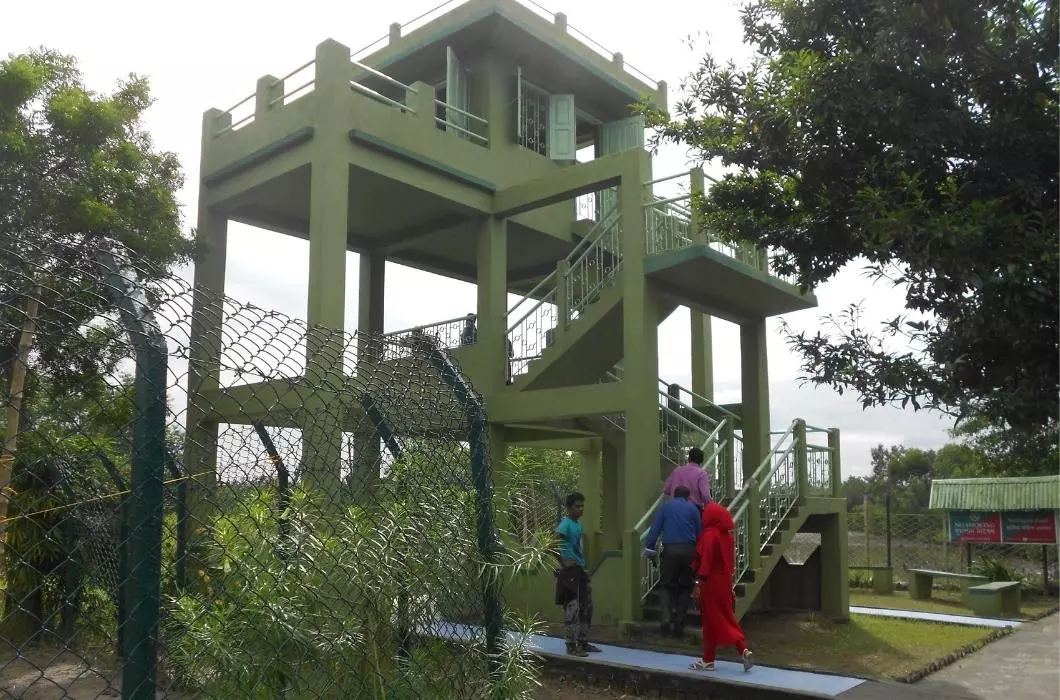
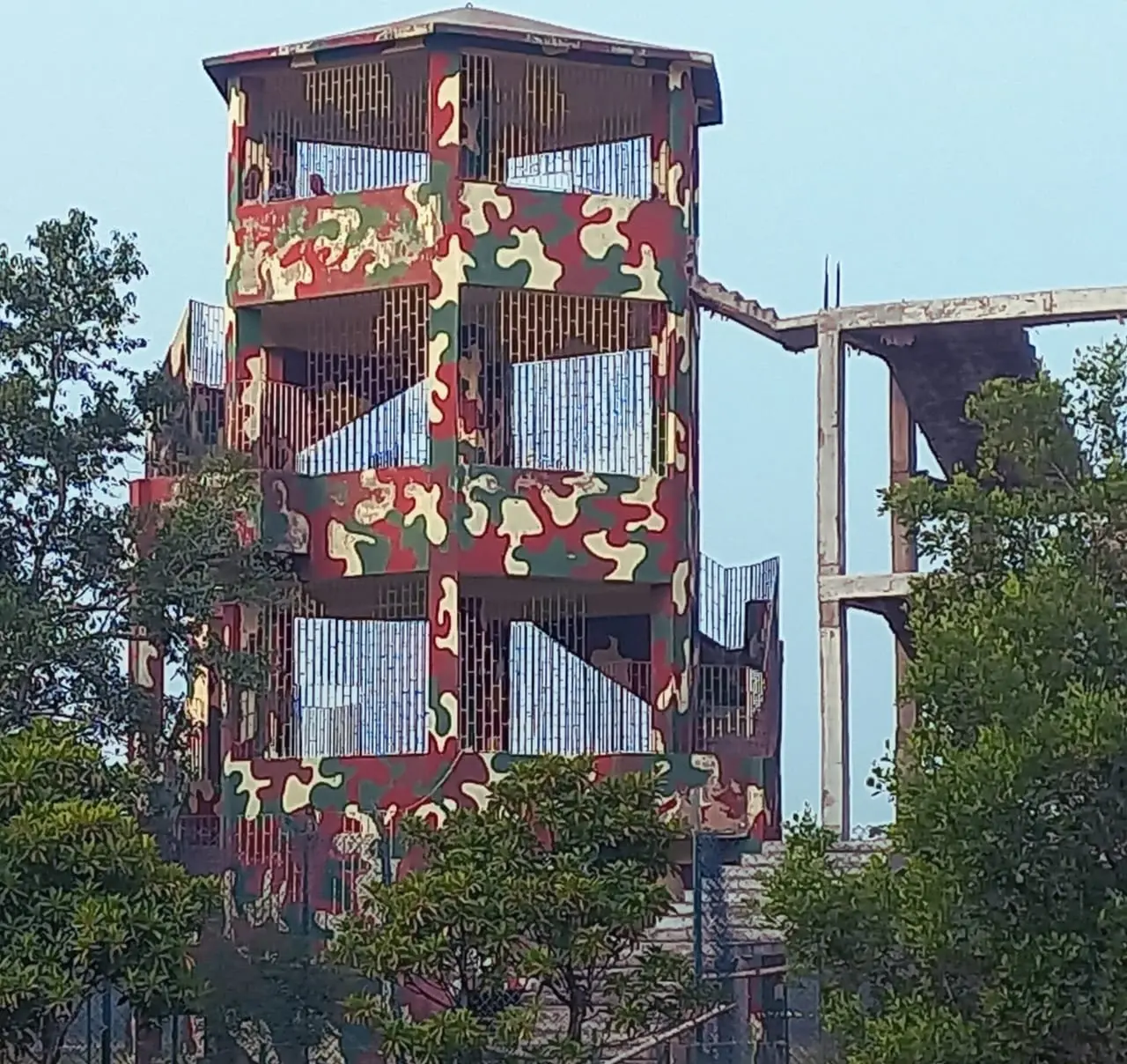
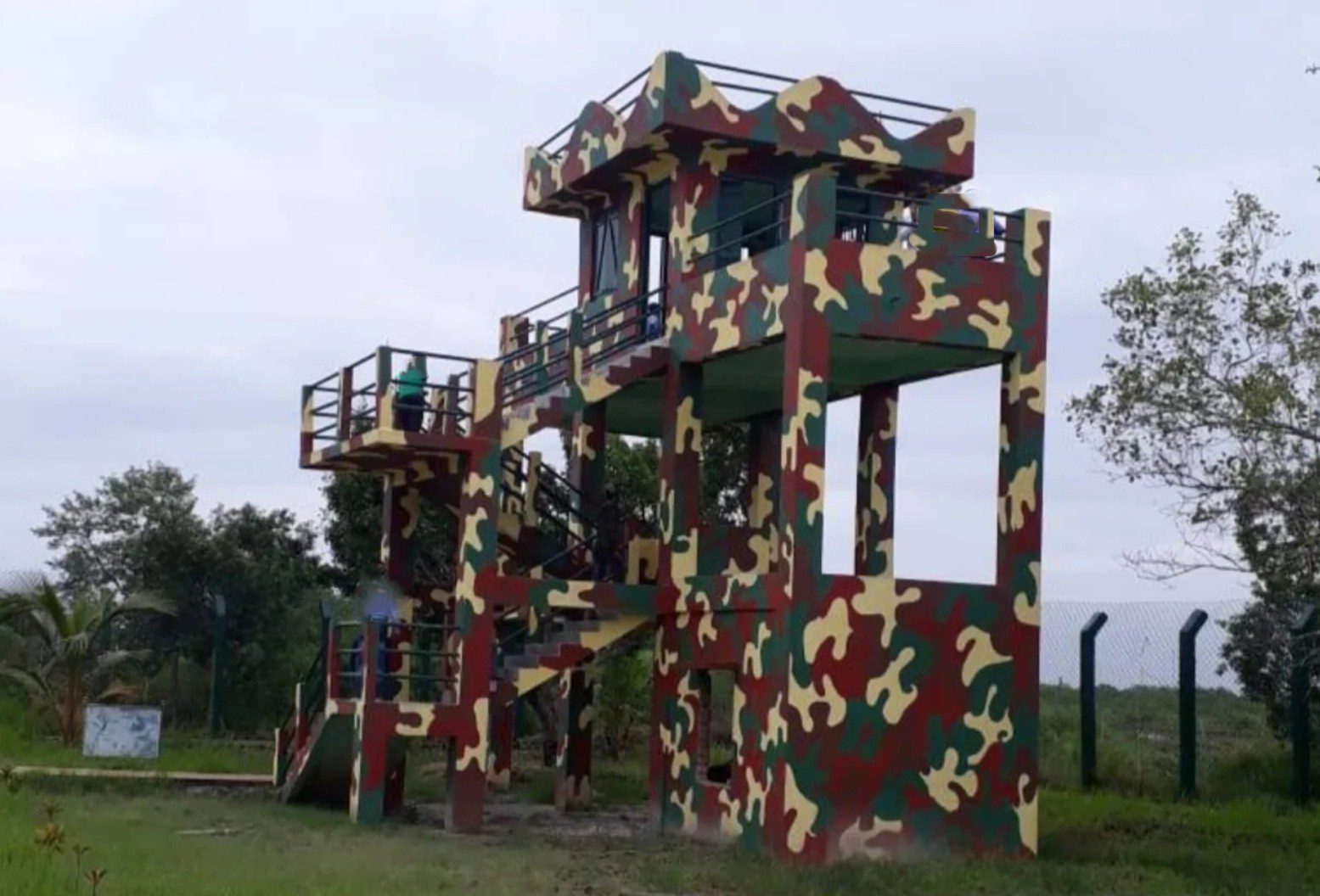
Height: Approximately 15 meters, making it the tallest watchtower in the Sundarbans.
View: A sweeping panorama of mangrove seas and glinting channels that stretch to the horizon.
Wildlife: Sightings can include spotted deer, wild boars, saltwater crocodiles, and monitor lizards, with occasional tiger activity in the vicinity, though never guaranteed.
The magic of the night
Overnight stay: Boats can anchor in designated zones near Bonnie Camp, offering a safe and atmospheric night experience on the water.
Night chorus: The after-dark soundscape features deer barks, crocodile splashes, and distant alarm calls that transform the forest into a silver-and-black dreamscape on moonlit nights.
More than a tower
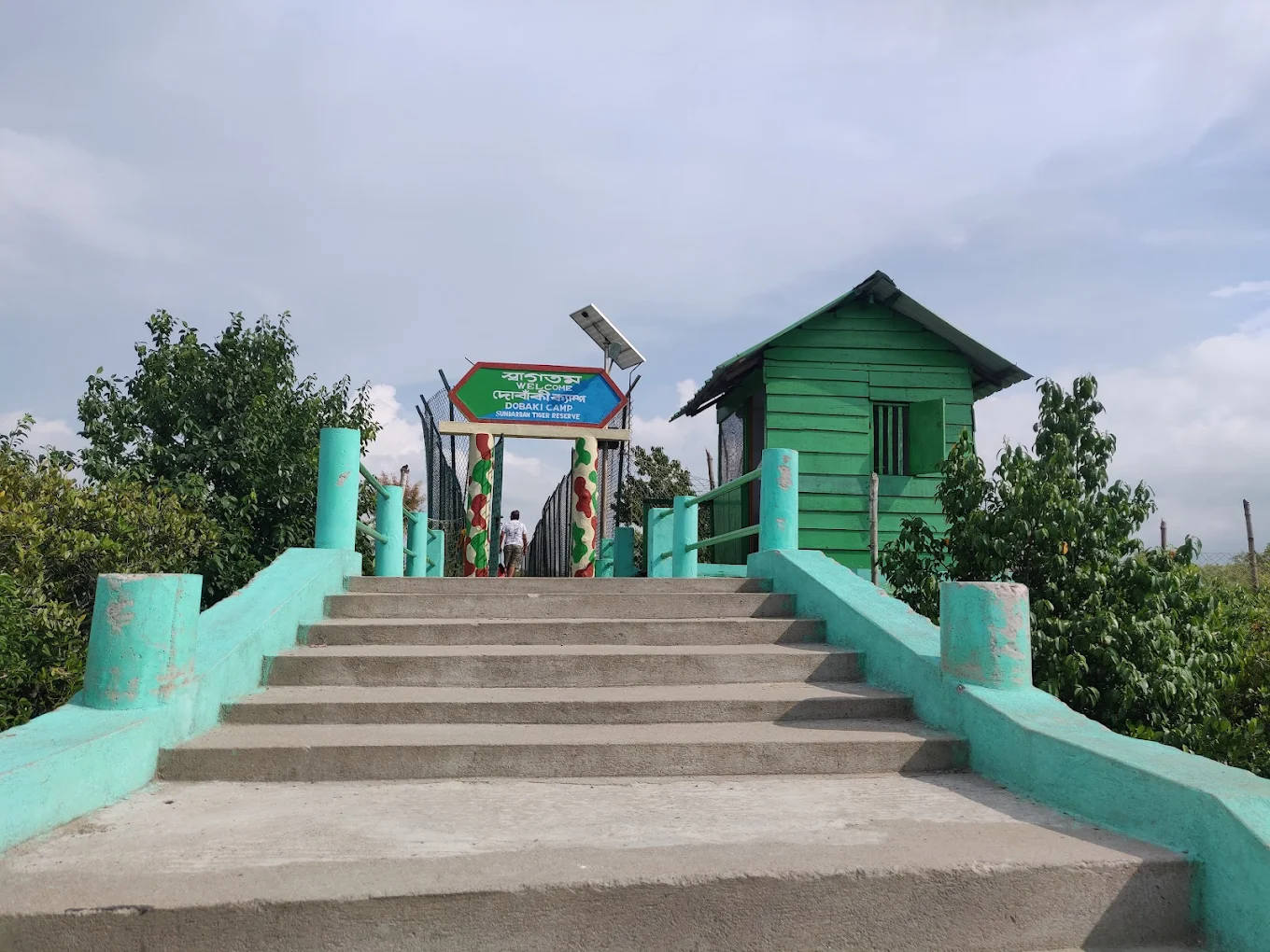
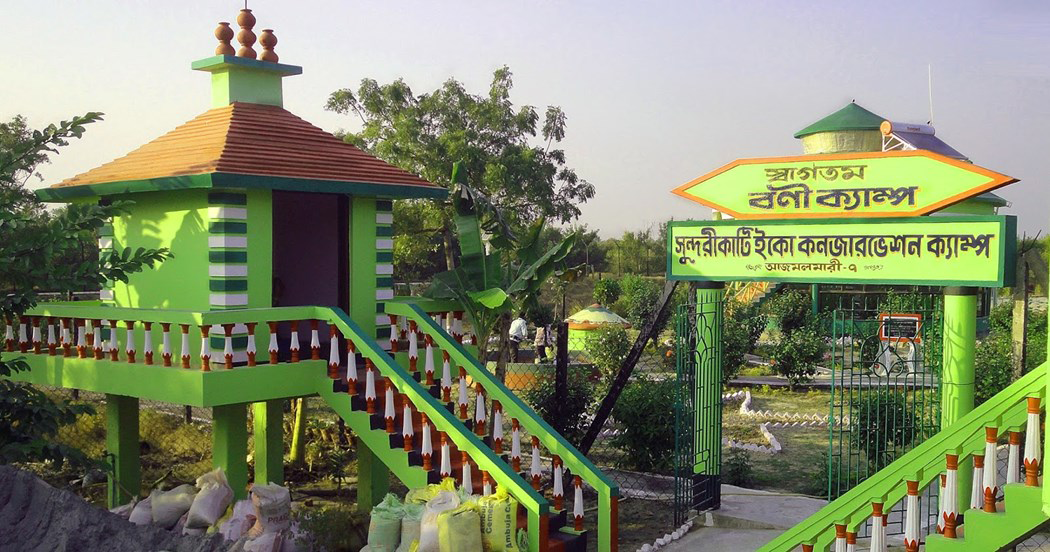
Bonbibi temple: A small shrine honoring the folk deity revered by forest communities.
Interpretation center: Displays on mangrove ecology and tiger conservation offer context to what you witness.
Short trails: Designated paths allow brief, guided land walks to feel the forest’s texture underfoot.
How to reach
Start points: Most tours begin from Godkhali or Sonakhali jetties.
Travel time: The journey typically takes 5 to 7 hours depending on tides, weather, and routing.
Requirements: A registered guide, a licensed boat operator, and valid forest permits are mandatory for entry and navigation.
Best time to visit
November to February: Cool weather, clear skies, and better visibility make this the ideal season.
Avoid monsoon: June to September brings heavy rain and strong currents that can restrict movement and reduce safety.
Permits and safety
Permits: Entry, boat, and camera permissions are required and are usually arranged by your tour operator via the Forest Department offices such as Sajnekhali.
Regulations: Timings, routes, and anchoring are governed by tides and forest rules that prioritize safety and conservation.
Etiquette: Keep voices low, avoid music and drones unless permitted, and never feed or approach wildlife.
Traveler tips
Pack list: Binoculars, camera, mosquito repellent, light layers, a broad-brimmed hat, sunscreen, and a dry bag for electronics are essential.
Footwear: Closed, grippy shoes are recommended for boat decks and any designated landings.
Photography: Use early and late light for the best textures on mangroves and mudflats, and avoid flash around wildlife.
Mindset: Embrace silence and patience, as the forest reveals more when you slow down.
Why choose Bonnie Camp
Remoteness: Bonnie Camp sits deeper and feels more secluded than popular sites like Sajnekhali or Sudhanyakhali.
Atmosphere: It prioritizes the pulse of the forest over checklists of sightings, offering a profound sense of place.
Adventure: The long boat approach through tight creeks is a genuine expedition rather than a quick hop.
Suggested itineraries
Day excursion: Suitable for travelers on tight schedules who want the tallest watchtower and a taste of deep mangrove country.
2N/3D cruise: Ideal for sunrise and moonlit experiences, patient wildlife watching, and unhurried exploration of nearby channels.
Responsible photography
Light: Favor golden hours for soft, dimensional tones across foliage, water, and brick.
Composition: Use creek curves and root tangles as leading lines to convey scale and depth.
Ethics: Maintain distance, avoid baiting or calls, and follow guide instructions at all times.
Popular Tour Package



Related Posts