Beacon Bungalow: Where History Meets the Wild Heart of the Sundarbans
If Netidhopani whispers the Sundarbans’ ancient secrets, then Beacon Bungalow in Gosaba is its timeless storyteller. It isn’t just a building with weathered walls; it’s a place where history lingers in the air, blending with the raw, untamed wilderness of the mangroves. A visit here feels less like sightseeing and more like opening a chapter of a living book.
Location: Gosaba – The Gateway to the Sundarbans
Tucked within the bustling yet serene village of Gosaba, Beacon Bungalow is one of the Sundarbans’ most famous landmarks. For many travelers, Gosaba is the starting point of their Sundarban journey, and the bungalow itself is a window into the region’s colonial past.
The Legacy and the Lighthouse: The Main Attraction
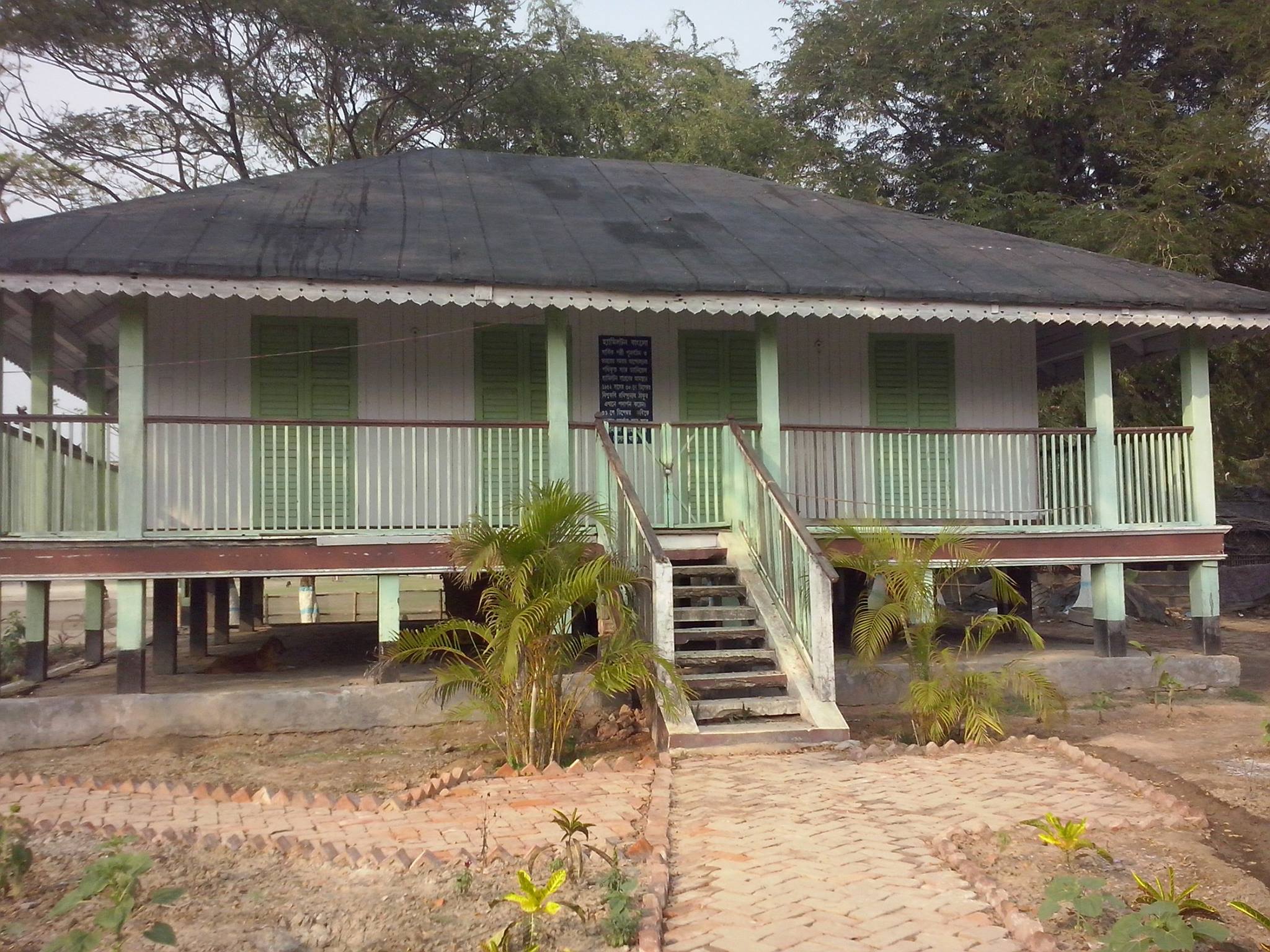
The charm of Beacon Bungalow isn’t found in luxury or grandeur—it lies in its history and resilience. Built during the British colonial period, the bungalow once served as a residence for British officials and a navigation point for ships traveling through the Sundarbans’ labyrinthine waterways.
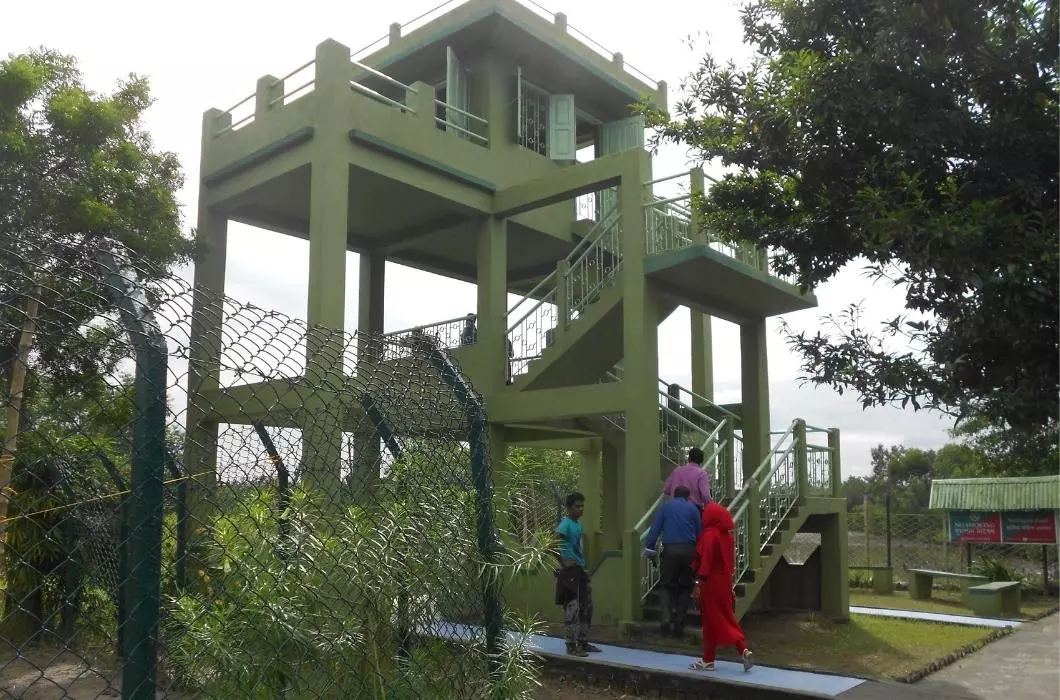
Nearby, a lighthouse once guided sailors through the fog and danger of these mangrove-lined rivers, a beacon of safety amidst a world that could feel endlessly wild and unpredictable. Even today, standing near the bungalow, you can almost hear the echoes of sailors, forest officers, and locals whose lives were intertwined with this historic site.
The Atmosphere: A Step Back in Time
Beacon Bungalow is not polished or flashy—it’s weathered, rustic, and beautiful in its simplicity. Its mossy walls and colonial-era design tell stories of decades gone by. The atmosphere is calm but layered with a certain gravity, as if the walls themselves have absorbed the hopes, struggles, and ambitions of everyone who ever passed through.
Spotted Deer and Crocodiles often make appearances along the nearby creeks, reminding visitors that here, history and wildlife live side by side.
Birdsong fills the air, from kingfishers darting across the water to herons perched gracefully on the mudbanks.
And sometimes, if you’re lucky, you might catch a glimpse of the Sundarbans’ most elusive resident—the Royal Bengal Tiger—in the distant mangroves.
What to See and Do: Beyond the Bungalow
A visit to Beacon Bungalow is never just about the building itself—it’s about the feeling it evokes.
Walking Through History: Explore the colonial-era rooms and corridors, and imagine the officials who once lived here, surrounded by the challenges of the wild Sundarbans.
The River Views: Step outside to watch boats glide silently across the waterways. The bungalow’s riverside location gives you one of the most serene panoramas in Gosaba.
Village Life: Wander around Gosaba itself. Meet the locals, explore the bustling market, and experience the rhythm of life at the edge of the forest.
Planning Your Visit to Beacon Bungalow
How to Reach: Like most Sundarban destinations, you’ll need to take a boat. The journey usually begins at Godkhali Jetty, followed by a ride through the creeks to Gosaba. From there, Beacon Bungalow is a short walk.
Best Time to Visit: November to February offers the most pleasant weather, perfect for exploring both the bungalow and the surrounding wilderness.
Tips for Travelers: Respect the heritage—don’t damage the structure, and keep the surroundings clean. Engage with the local community, who keep the spirit of Gosaba alive.
Why Beacon Bungalow Matters
Beacon Bungalow is more than bricks and mortar—it’s a reminder of how the Sundarbans has always been a meeting point of nature, history, and human resilience. Standing there, with the mangroves stretching endlessly in the distance and the whisper of the river in your ears, you feel a profound connection to both the past and the present.
In the end, Netidhopani may let you hear the forest’s whispers, but Beacon Bungalow lets you feel its memory—a memory that still shines like the lighthouse it once sheltered, guiding travelers through time and tide.
Popular Tour Package



Related Posts