Netidhopani: Where the Sundarbans Whispers Its Ancient Secrets
If Sudhanyakhali is the Sundarbans’ thrilling wildlife stage, then Netidhopani is its mysterious, ancient library. This is where dense mangroves part to reveal layers of history, legend, and an almost palpable sense of awe.
What is Netidhopani?
Netidhopani is a historically significant site deep inside the Indian Sundarbans, known for 400-year-old Mughal-era ruins, a freshwater tank tied to a haunting local legend, tranquil creeks, and intimate wildlife sightings—accessible only by licensed boat with permits via Sajnekhali.
Why Netidhopani is special
Tucked inside a green cathedral of mangroves, Netidhopani blends archaeology, folklore, and wilderness. You don’t just see a site; you feel a story unfold—of kings, pirates, spirits, and an estuary that has witnessed it all.
At a glance
Location: Deep within the Sundarbans Tiger Reserve, India, accessible only by boat.
Access: Start from Godkhali Jetty; permits via Sajnekhali Forest Office; a licensed boat and a registered guide are mandatory.
Best Time: November to February for comfort and visibility.
Highlights: Mughal-era ruins, ancient freshwater tank, narrow creeks, spotted deer, monitor lizards, saltwater crocodiles, vibrant birdlife.
Experience Style: Peaceful, contemplative, story-rich, with wildlife as a quiet, personal encounter.
The ruins and the legend
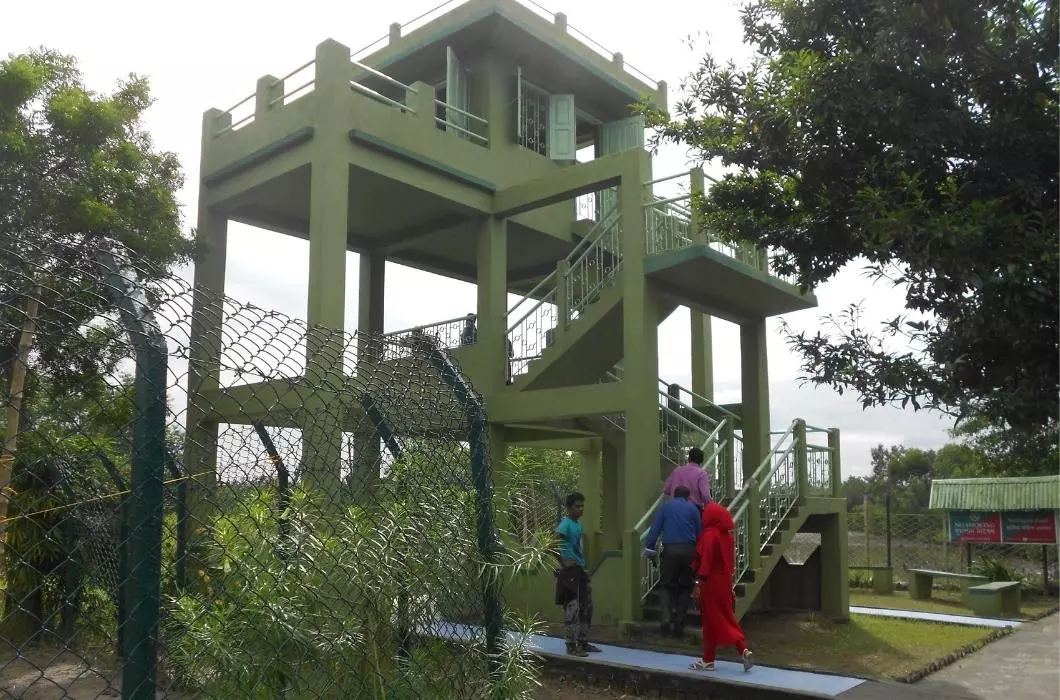
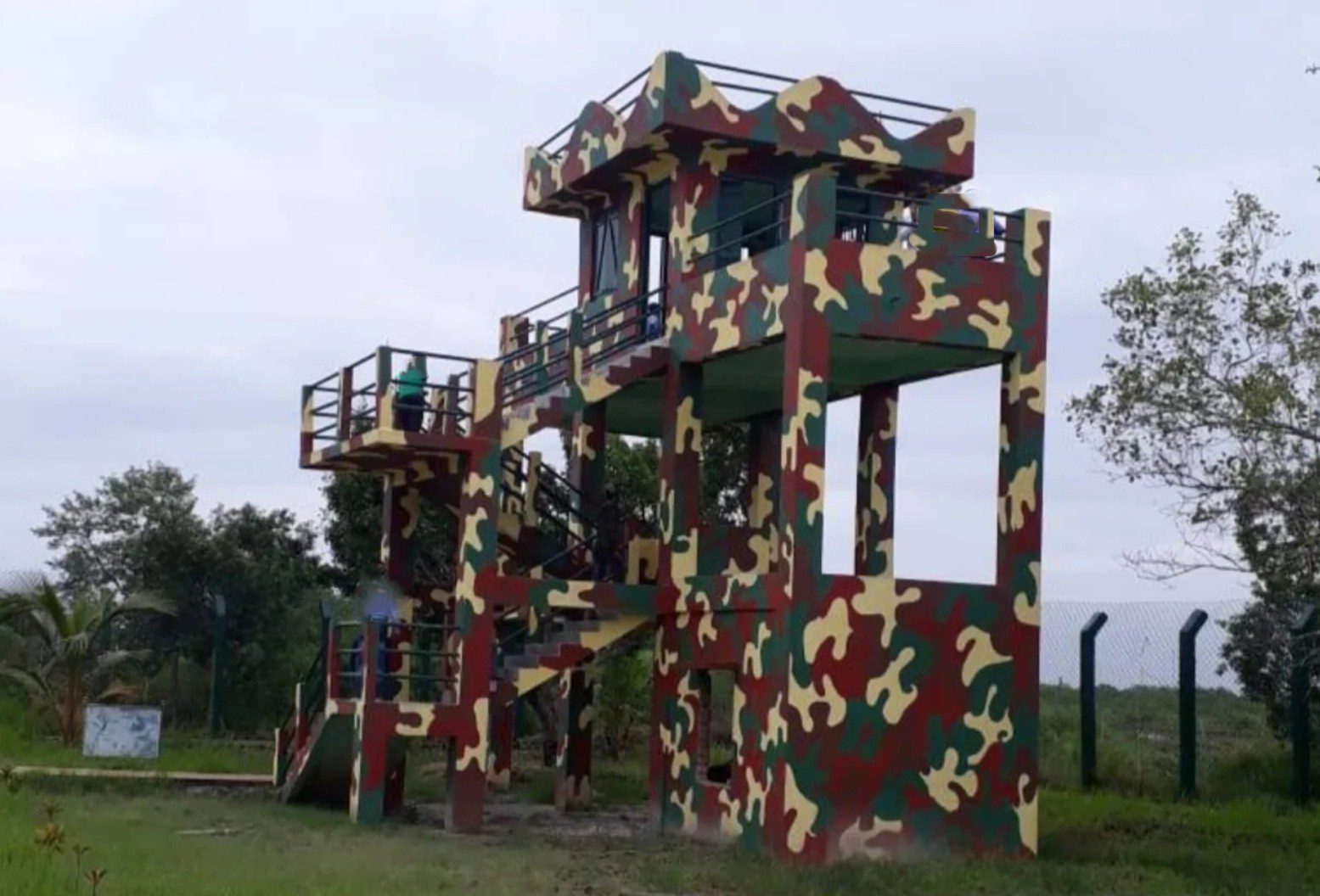
At the heart of Netidhopani stand the remains of a centuries-old watchtower—built to guard against Portuguese pirates—and a large freshwater tank encircled by lore. The enduring tale tells of a princess, a lost necklace, and a blind boy who found it; in the moment of gratitude, his sight was restored. The king, mistrustful, ordered the boy executed; and so the spirit, they say, never left. The name ‘Netidhopani’—often interpreted as ‘blinding hope’ or ‘washing eyes’—captures the paradox of wonder and sorrow that hangs in the air. Standing by the stones, you feel the Sundarbans as a keeper of stories, not merely a forest.
Wildlife highlights
Spotted Deer: Often grazing quietly near the ruins, adding an ethereal calm to the scene.
Reptiles: Monitor lizards and saltwater crocodiles bask on mudbanks like ancient guardians of the site.
Birds: Kingfishers flash electric blue, while raptors patrol the sky; mangrove whistlers and herons complete the chorus.
Things to do at Netidhopani
Whisper a wish: Locals gently share a tradition—lean over the ancient tank and whisper your hope. Whether you believe or not, it’s a moving moment of connection.
Sit in silence: Netidhopani rewards stillness. Hear wind through leaves, water lapping, and the rustle of deer in the undergrowth.
Photograph the mood: Focus on textures—weathered brick, root tangles, reflections in still water, and soft light filtering through the mangrove canopy.
Slow-creek boat ride: The approach is an experience of its own—narrow creeks, curving channels, and a living field guide to mangrove ecology.
How to reach
Start Point: Godkhali Jetty (main gateway to the Indian Sundarbans).
Route: Proceed by licensed motorboat with a registered guide. Netidhopani is reached via converging creeks; travel time varies by tide and route.
Permits: Arranged by your tour operator or obtained at the Sajnekhali Forest Office. Keep ID handy; foreign nationals need additional documentation.
Practical Note: Tides and forest regulations define timings; itineraries may adjust for safety and conservation.
Best time to visit
Peak Comfort: November to February—pleasant temperatures, lower humidity, and clearer visibility for long boat journeys.
Shoulder Months: October and March can be rewarding with fewer crowds and good wildlife activity.
Monsoon Caution: June to September brings heavy rain, choppy waters, and restricted movement; not recommended.
Permits, etiquette, and safety
Permits: Mandatory for entry; camera and boat permits may be separate. Your operator typically manages all paperwork.
Respect the site: Do not climb fragile structures, carve, or dislodge bricks. Leave nothing but footprints.
Quiet zone: Keep voices low; avoid loud music and drones unless explicitly permitted.
Wildlife distance: Maintain safe viewing distances, especially from crocodiles; never feed or provoke animals.
Plastic-free: Carry back all waste; use reusable bottles and sealed dry snacks.
Travel tips
Essentials: light layers, hat, polarised sunglasses, sunscreen, strong insect repellent, binoculars, and a dry bag for electronics.
Footwear: Closed, grippy shoes suitable for boat decks and muddy edges.
Gear: Telephoto lens for birds, wide-angle for landscapes and ruins, and microfibre cloth for humidity.
Health: Carry personal meds; consider motion-sickness tablets if sensitive to boat travel.
Time on water: Expect multiple hours on the boat; hydrate and embrace the slow pace.
Suggested visit length
Day Excursion: For travellers on tight schedules; pair with a watchtower stop if time and tide permit.
Overnight/2N-3D: Allows unhurried creeks, golden-hour photography, and a deeper experience of the legend and landscape.
Combine with nearby highlights
Sudhanyakhali Watch Tower: Classic tiger and deer vantage with productive channels.
Sajnekhali: Permit hub with interpretation centre and birding opportunities.
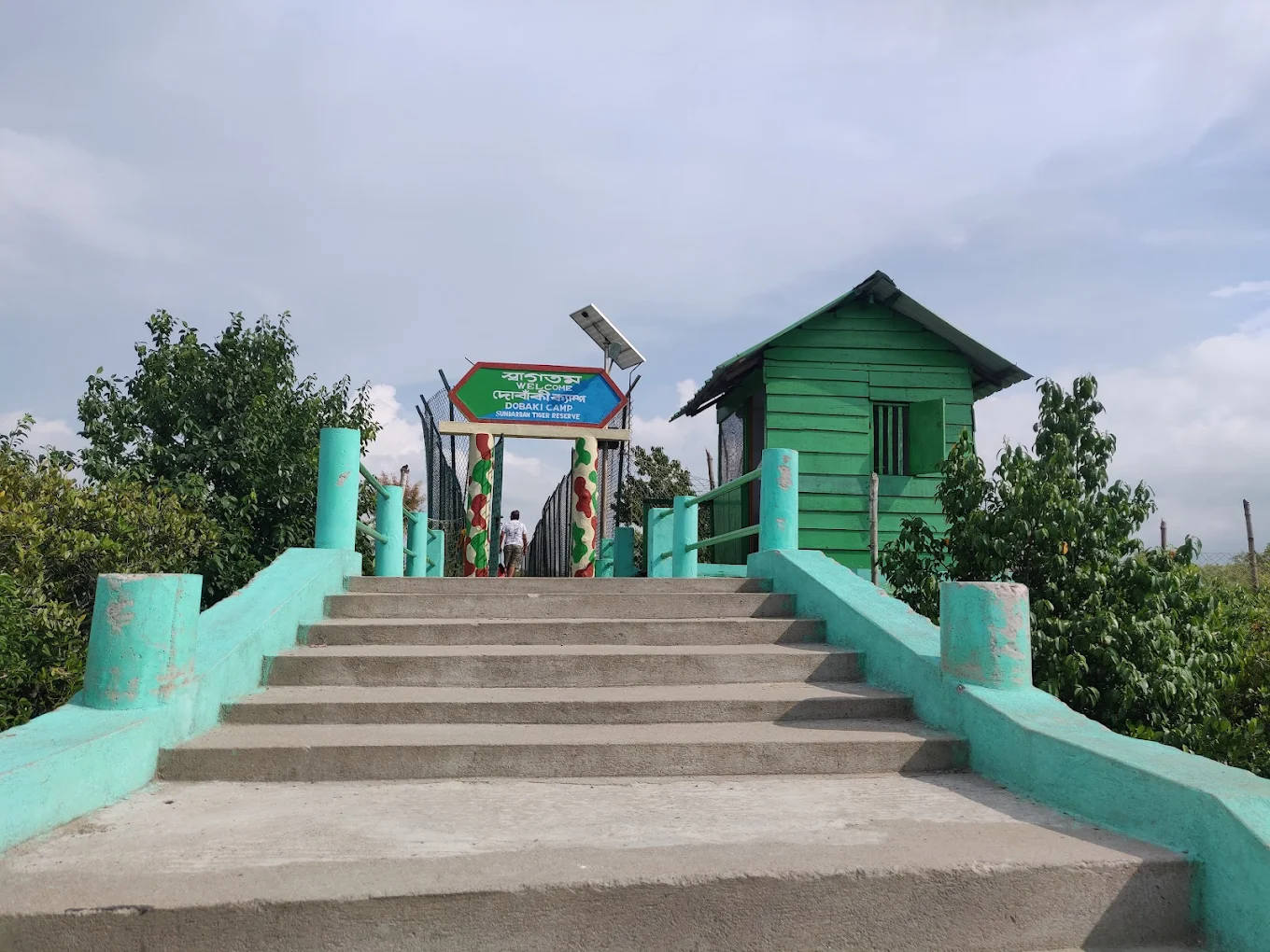
Dobanki Canopy Walk: Elevated walkway through mangrove canopies for a unique perspective.
Responsible photography
Natural light: Early morning or late afternoon for soft tones on brick and foliage.
No flash: Avoid startling wildlife and preserve ambience around the ruins.
Frame the story: Use leading lines of roots and steps to guide the eye toward the tank or tower.
Popular Tour Package



Related Posts